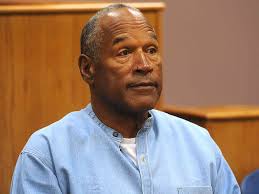
OJ Simpson Death
O.J. Simpson: A Legacy Defined by Triumph and Tragedy
It is with a mix of reflection and controversy that we remember O.J. Simpson, the former NFL star and Hollywood figure, who passed away on April 10, 2024, at the age of 76 after a prolonged battle with prostate cancer. Simpson’s life was marked by extraordinary athletic achievements, Hollywood fame, and a criminal trial that remains one of the most infamous in American history.
Prostate Cancer Battle
Simpson’s family announced his death in Las Vegas, where he had been receiving care for his prostate cancer. His health had rapidly deteriorated in the months leading up to his passing, following his public acknowledgment of the diagnosis in 2023. Simpson’s family was by his side during his final days, and he left behind children, grandchildren, and a legacy that has continued to captivate and divide the American public for decades.
The Ford Bronco Chase
Perhaps no image is more iconic when it comes to Simpson’s name than the slow-speed chase in a white Ford Bronco on June 17, 1994. The scene, broadcast live to millions of viewers, became one of the most surreal moments in American television history. Simpson, a fugitive at the time, had been charged with the murders of his ex-wife, Nicole Brown Simpson, and her friend, Ron Goldman. The chase encapsulated the media frenzy surrounding the case, the racial tensions involved, and the deep polarization of public opinion regarding Simpson’s guilt or innocence.
Buffalo Bills: A Football Legend
Before the criminal trial and subsequent controversies, Simpson was a football legend. As a running back for the Buffalo Bills, Simpson redefined the position with his exceptional speed, strength, and agility. In 1973, he became the first player in NFL history to rush for over 2,000 yards in a single season, a feat that earned him the NFL MVP award and cemented his place among the greatest players in football history. Simpson’s sports career, which included multiple Pro Bowl appearances, made him a household name and set the stage for his later ventures into acting and broadcasting.
The Legal Battles: Murder Trial, Civil Trial, and Conviction
Simpson’s life after football would be defined by his legal battles, the most infamous of which was the 1995 criminal trial for the murders of Nicole Brown Simpson and Ron Goldman. The case, which became known as the “Trial of the Century,” captivated the nation and sparked debates about race, justice, and the legal system. Simpson was acquitted of the charges in a trial that divided the country. Many believed he was guilty, even though the jury found him not guilty.
However, Simpson’s legal troubles didn’t end there. In 1997, a civil court jury found him liable for the wrongful deaths of Brown Simpson and Goldman, ordering him to pay $33.5 million in damages to the victims’ families. Simpson’s legal woes took another dramatic turn in 2008 when he was convicted of armed robbery and kidnapping in Las Vegas. This conviction, which stemmed from an incident involving Simpson attempting to retrieve personal items from a memorabilia dealer, led to a 33-year prison sentence. Simpson served nine years in prison before being granted parole in 2017.
Legacy and Cultural Impact
Simpson’s passing reignites discussions around the complexities of fame, race, and justice in America. His story is paradoxical—he was a celebrated sports hero and beloved celebrity whose achievements were overshadowed by a scandalous criminal trial and a series of legal issues that followed him for the rest of his life. Simpson’s legacy is inseparable from the racial tensions and the questions of justice that arose during his trial. His acquittal in the criminal trial sparked debates about race and the American legal system, with many believing that Simpson’s fame and wealth played a role in his acquittal.
At the same time, Simpson’s legacy in football endures. He is still remembered for breaking barriers in the NFL, setting records, and inspiring future generations of athletes. His 1973 record of over 2,000 rushing yards in a season remains one of the sport’s defining moments.
Conclusion: A Complex Legacy
O.J. Simpson’s death marks the end of a life that spanned triumphs and tragedies. From being a sports icon to becoming a symbol of America’s celebrity culture and its often contradictory relationship with race and justice, Simpson’s story continues to serve as a cautionary tale. Whether viewed as a criminal, a victim of circumstance, or a misunderstood figure, his life and legacy will continue to be debated for years to come.
Though Simpson’s passing closes a chapter, his story remains a significant part of both American sports history and the ongoing conversation about race, fame, and the legal system in America.